The phrase started as something specific and useful: a reminder, mostly aimed at people in exhausting, undercompensated caregiving work, that their own basic needs counted too. Sleep. Boundaries. Saying no without a three-paragraph apology attached. None of it required a purchase. All of it required permission — the belief that your own rest was allowed to matter as much as everyone else’s demands on you.
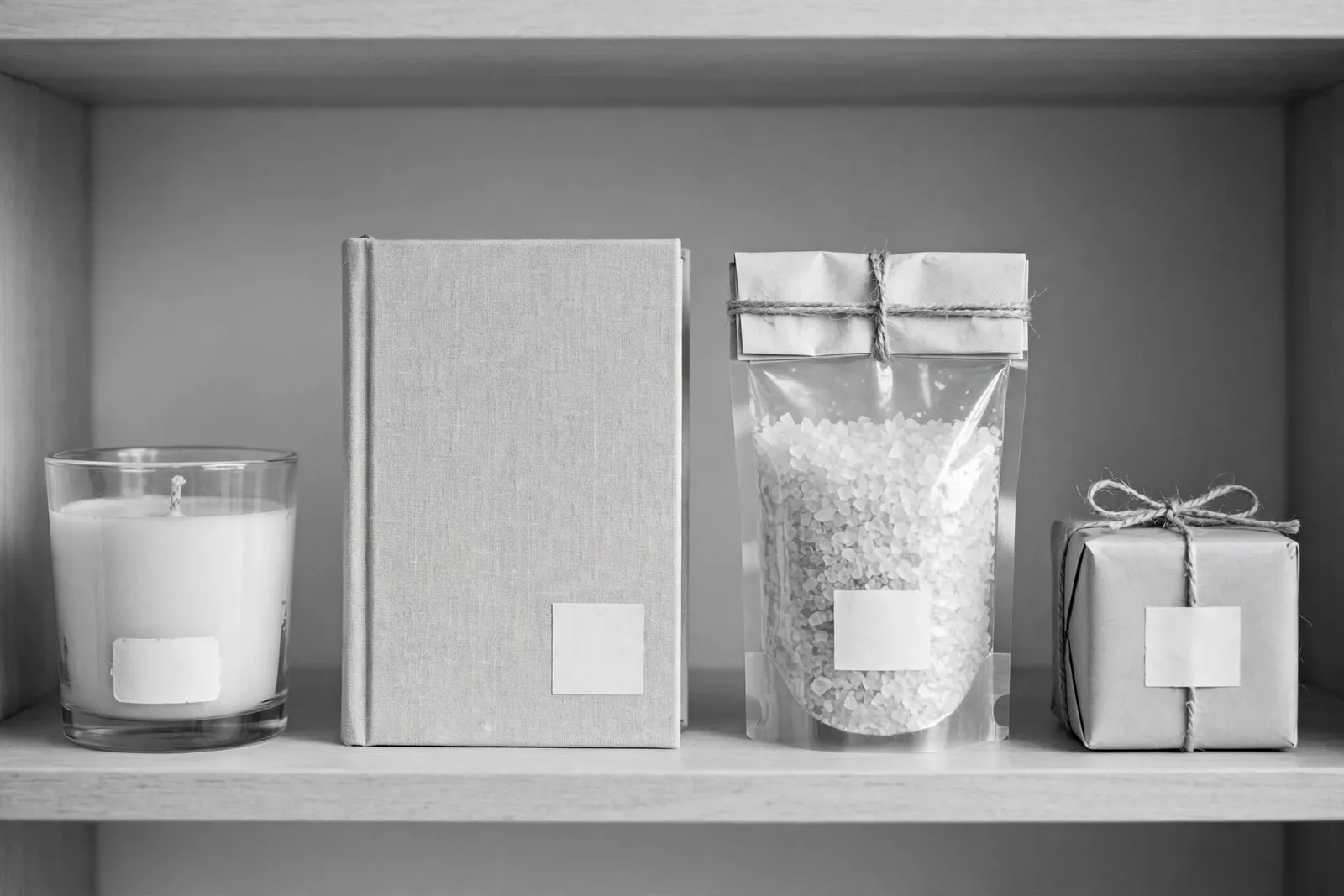
Permission doesn’t have a margin. So an entire category got built to sell you a stand-in for it: candles, apps, retreats, journals, subscription boxes — all quietly promising the same thing the original advice gave away for free, just wrapped in packaging you can put on a shelf.
Nobody’s actually buying relaxation from a $68 candle. They’re buying an object that gives them a reason to sit still for twenty minutes without guilt — the permission slip, made physical, because apparently a lot of people needed one and didn’t feel entitled to grant it to themselves for free. The candle is incidental. The transaction is buying yourself an alibi for resting.
That’s a real need. It’s just gotten expensive to meet, mostly because turning “permission” into a purchasable object is a much better business than reminding people they already had it.
If a self-care product’s core value is “gives you an excuse to stop,” you can skip the product and just take the excuse. Nobody’s checking your receipts. The actual, load-bearing part of self-care — rest, refusal, a hard no — was never behind a paywall. The industry’s real innovation wasn’t a better form of rest. It was convincing you that you needed to buy the permission you were always allowed to