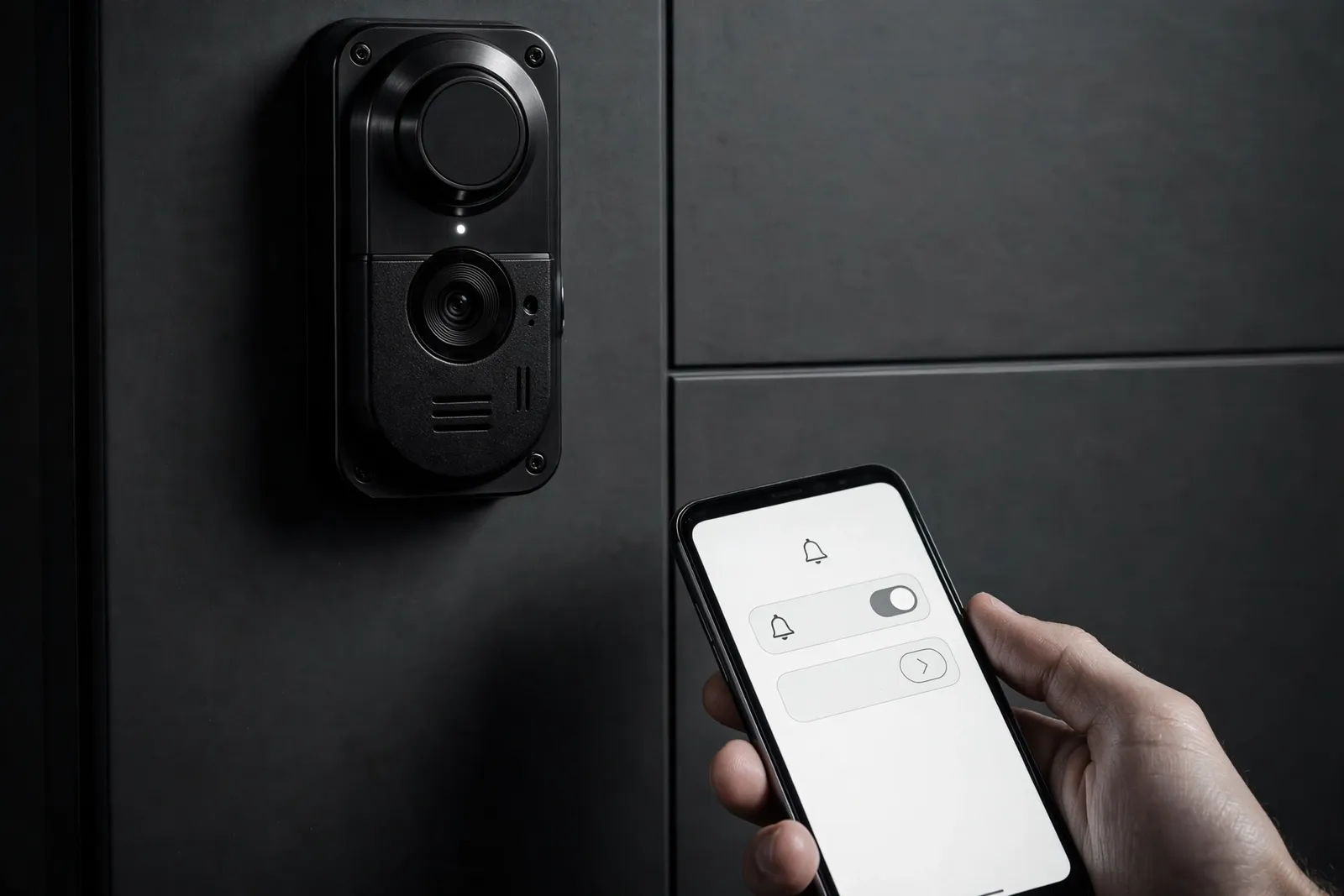
A doorbell used to be a wire and a chime. Now it’s a subscription tier. The camera, the motion sensor, the little chirp when someone’s on your porch — all real, all useful. But the cloud storage for the footage, the “advanced” detection that tells a person from a package, the feature that used to just be “the doorbell working” — that’s behind a paywall now, billed monthly, forever.
Nobody’s hiding this. It’s in the pricing page. What’s hidden is the reframe: you’re told you’re buying a smarter object, when what you’re actually buying is a company’s right to keep charging you for an object you already paid for once.
A padlock doesn’t have a subscription tier. A padlock also doesn’t stop working if a company decides to sunset a product line, get acquired, or shut down a server. Millions of “smart” devices have already been bricked this way — not because the hardware failed, but because the company backing the app decided the recurring revenue wasn’t worth the maintenance anymore. You didn’t lose a gadget. You lost a rental you didn’t know you’d signed up for.
The lightbulb still screws into the same socket it always did. What changed is that turning it on now depends on a company’s servers staying online, your account staying in good standing, and a monthly charge clearing. That’s not an upgrade to the lightbulb. That’s a new dependency bolted onto a solved problem.
The tell is simple: unplug the subscription and see what’s left. If the answer is “a normal doorbell, lock, or thermostat, just without the extra features,” that’s a fair trade — you’re paying for something genuinely new. If the answer is “a brick,” you were never buying a smart device. You were leasing a dumb one with a data-collection fee attached, and the smart part was the pitch, not the product.