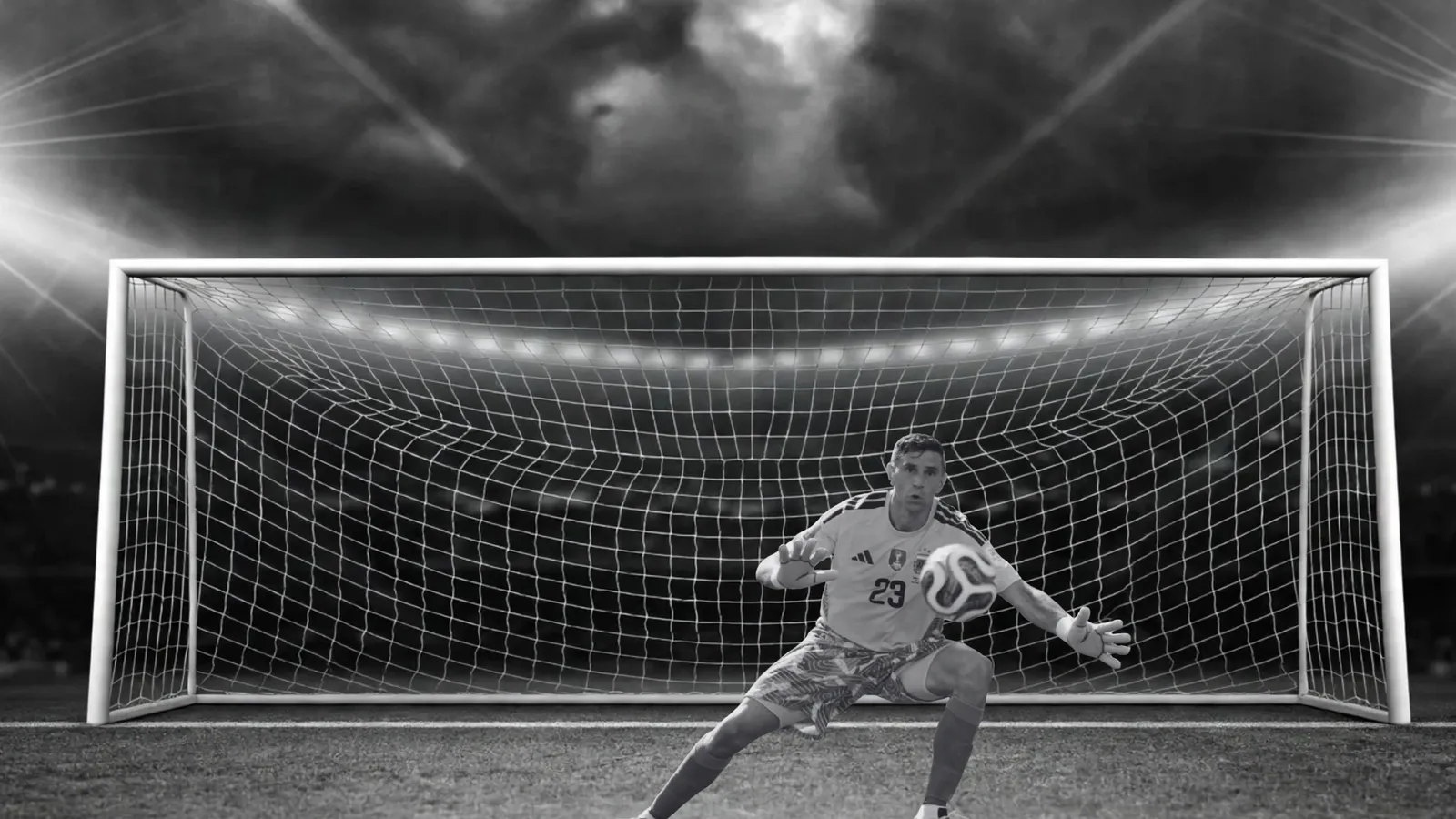
Final score: Spain 1, Argentina 0, after extra time. Final shot count: Spain 20, Argentina 2. Final expected-goals count: Spain 1.94, Argentina 0.2. Final passing stats: Spain completed 774 of 896 attempted passes, an 86.4% completion rate that’s a World Cup final record. Argentina, in the first half alone, managed zero shots on a combined 35% of the ball. Somewhere in Buenos Aires there is a highlight reel of this tournament run, and it is going to be very short, very defensive, and mostly footage of a goalkeeper.
Let’s talk about how Argentina got here, because it matters. On paper, this was the easiest road to a World Cup final any contender has drawn in years — no team ranked inside the world’s top 15 until England showed up in the semifinal. The group stage opener was Cape Verde, a team that, credit where due, actually took the two-time-in-a-row world champions to extra time before losing 3-2, which should have been the first hint that this Argentina side was not exactly steamrolling anybody. The knockout rounds kept being kind: Colombia and Switzerland both emerged from soft groups of their own, Egypt’s federation is still filing paperwork about a disallowed goal in the round of 16, and Argentina managed to avoid both France and Spain entirely until the one match where avoiding them was no longer an option. Spain, meanwhile, had to go through Portugal and then beat France 2-0 in the semifinal — the actual reigning finalist gauntlet — just to show up to the same stage Argentina backed into.
That’s not a knock on making a final. Somebody has to draw the easy bracket. It’s just that “toughest road in tournament history” was never the story here, no matter how the trophy chase gets remembered in six months.
Say it slowly: two shots. In a World Cup final. Against a team they’d spend the next four years being asked to explain themselves to. Spain put up 20 attempts and forced the kind of defensive performance out of Emiliano Martínez that will get replayed forever, and it needed to, because Argentina’s attacking output for 120 minutes of the single biggest match in the sport amounted to fewer shots than most starting XIs take in a warmup lap. Lionel Messi, in what may have been his final World Cup match, was help-defended into irrelevance by a Spain back line that had clearly done its homework and simply declined to let the story be about him. It wasn’t a shootout. It wasn’t even really a contest of shots. It was 90-plus-30 minutes of Argentina absorbing pressure and hoping, and Spain finally breaking through in the 106th minute because eventually even the best defensive performance of the tournament runs out of legs.
When you can’t out-shoot a team twenty-to-two, you find other ways to slow the game down, and Argentina found plenty. It caught up with them in second-half stoppage time, when Fernández picked up a second bookable offense and got sent off — the kind of moment that doesn’t happen in isolation, it happens at the end of a match spent fouling a technically superior opponent into submission and eventually running out of fouls to give. Spain finished the match having conceded zero shots in the first ninety minutes and only two all game. Argentina finished it a man down, having completed a defensive masterclass built less on tactical brilliance and more on repeatedly putting a body in the way of anyone in a red shirt who got near the box.
There’s a version of this final where that’s a legitimate underdog strategy — bunker, absorb, steal one on a set piece, go home heroes. Argentina didn’t even get that far. They bunkered, absorbed, fouled, went down to ten men, and still lost 1-0. The only reason this reads as a “nearly stole it” story instead of a “got dominated for two hours” story is that Spain didn’t finish the job until minute 106.
None of this is a case against Spain, who out-shot, out-passed, and out-possessed a World Cup finalist for two full hours and still had to wait until extra time to actually get rewarded for it — that’s its own kind of frustrating, and a real argument for finishing chances instead of collecting them. But the version of this final that gets remembered a year from now will probably be about Argentina’s grit, Messi’s last stand, the plucky team that almost pulled off a miracle. The actual box score says something a lot less romantic: the easiest bracket in the tournament produced two shots, a red card, and a very good goalkeeper standing between a very good Spain side and a scoreline that honestly should have been over by halftime.